
Did you know that items that shouldn’t be flushed or poured down sinks and toilets account for 75% of all drain blockages? But how to prevent blocked drains?
The good news: many drain blockages can be prevented with a few simple habits. Professional plumbers see the same causes again and again, from cooking grease and hair to unsuitable items being flushed down toilets. With the right approach, you can keep your drainage system flowing freely for longer.
Let’s take a look at some practical tips from professional plumbers to know how to prevent blocked drains.
Expert Tips Every Homeowner Should Know for A Clearer, Healthier Plumbing System
1. Be Careful What Goes Down Your Drains
Your drains are designed to carry wastewater, not household waste. Small amounts of debris can gradually build up inside pipes and eventually create a stubborn blockage.
Avoid putting these items down sinks and drains:
Cooking oil, grease, and fat
Coffee grounds and tea leaves
Food scraps
Wet wipes and sanitary products
Excessive soap residue
Hair and other bathroom debris
For example, pouring leftover frying oil into the kitchen sink might seem harmless. As it cools, however, the grease can stick to the inside of the pipe. Over time, food particles may cling to it and restrict the water flow.
2. Use Drain Strainers and Hair Catchers
One of the simplest drain maintenance tips is also one of the most effective: use a drain strainer.
A kitchen sink strainer can catch food particles before they enter the pipe. In showers and baths, a hair catcher helps prevent strands from collecting inside the drainage system.
These inexpensive accessories take seconds to clean. That small habit can prevent a much bigger plumbing problem later.
3. Never Flush the Wrong Items
Toilets are another common source of blocked drains. Despite what some product packaging may suggest, many wipes don't break down as easily as toilet paper.
The safest rule is straightforward: flush only human waste and toilet paper.
Keep items such as wipes, cotton buds, tissues, nappies, sanitary products, and paper towels out of the toilet. Dispose of them appropriately instead.
4. Clean Drains Regularly
You don't need to wait until a drain becomes completely blocked before doing something about it. Regular cleaning can help remove early build-up and keep water moving properly.
Try these simple habits:
Remove visible debris from plugholes regularly.
Clean sink strainers after use.
Keep shower drain covers free from hair.
Rinse kitchen sinks with hot water after washing greasy dishes.
Check outdoor drains for leaves and garden debris.
These steps won't replace professional drain cleaning when a serious blockage is present, but they can reduce everyday buildup.
5. Pay Attention to Early Warning Signs
A drain usually gives you clues before it becomes completely blocked. Don't ignore them.
Watch for:
Water draining more slowly than usual
Gurgling sounds from sinks or toilets
Unpleasant drain odours
Water backing up into sinks or showers
Repeated minor blockages
Imagine your shower is taking longer to drain each week. It's tempting to ignore it until the water starts pooling around your feet. Acting earlier can often mean a simpler solution.
6. Take Care of Outdoor Drains
Indoor plumbing isn't the only area that needs attention. Outdoor drains and gutters can collect leaves, soil, moss, and other debris.
During autumn or after periods of heavy rain, inspect accessible outdoor drainage points. Remove visible leaves and rubbish where it is safe to do so.
If an outdoor drain repeatedly overflows, professional inspection may be necessary. There could be a deeper blockage, damaged pipework, or another underlying drainage issue.
7. Avoid Relying Too Heavily on Chemical Drain Cleaners
When a drain slows down, chemical cleaners can seem like the quickest answer. However, repeatedly using strong chemicals isn't always the best approach.
They may not remove the underlying cause of a persistent blockage and can potentially affect pipework, particularly when used incorrectly. If the same drain keeps becoming blocked, it's better to find out why.
Professional drain unblocking services can identify the source of the obstruction and use appropriate equipment to clear it.
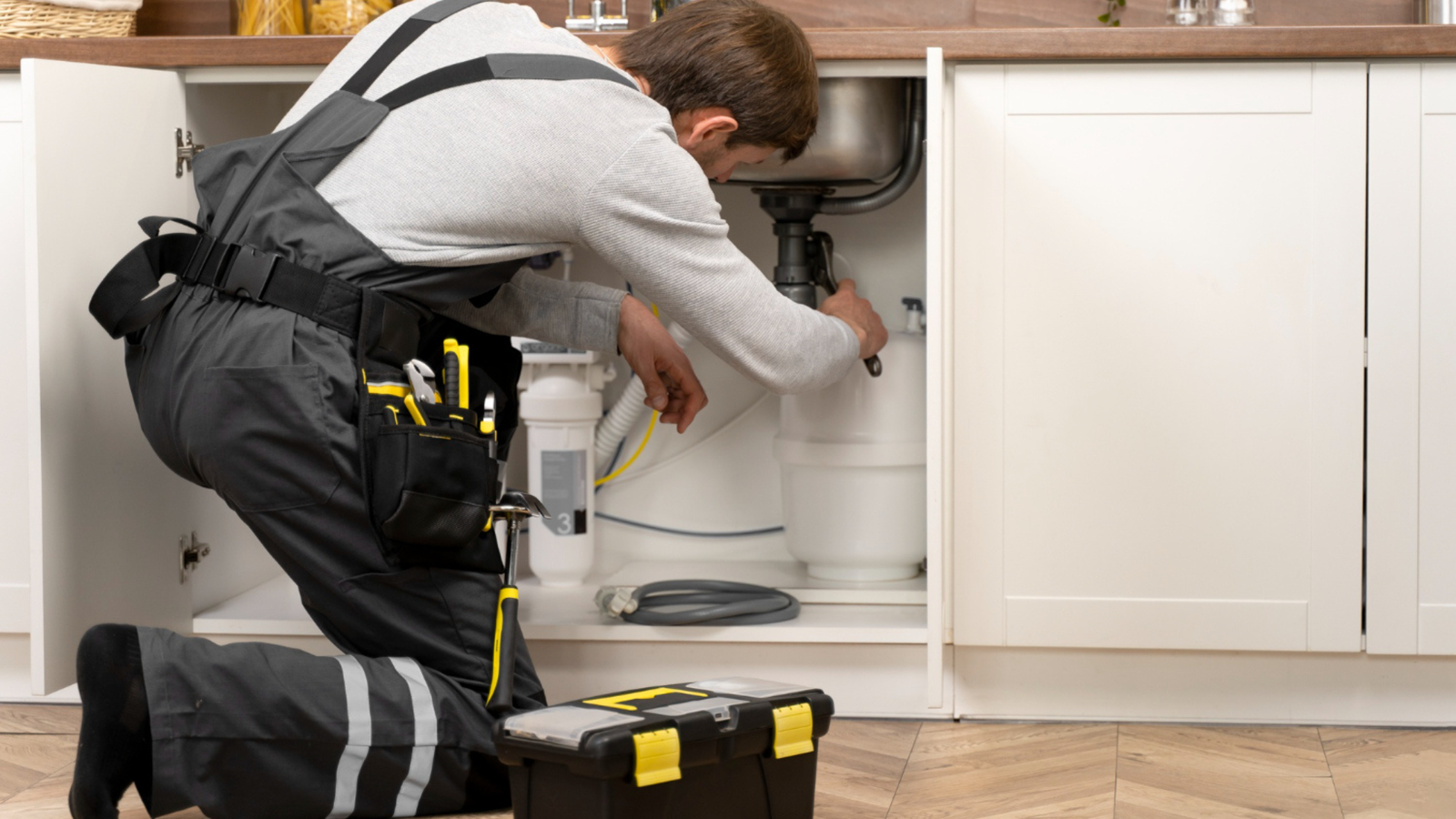
8. Know When to Call a Professional Plumber
Prevention can go a long way, but some blockages require expert attention. If plunging or basic cleaning doesn't solve the problem, don't keep forcing it.
Professional plumbers can assess the drainage system and determine whether accumulated debris, tree roots, damaged pipes, or other hidden problems are causing the issue. Early intervention may also help prevent further damage.
Final Thoughts
Understanding how to prevent blocked drains is mostly about small, consistent habits. Keep grease, food waste, hair, wipes, and other unsuitable materials out of your drainage system, clean accessible drains regularly, and act quickly when you notice warning signs.
Looking for professional help? At No1 PHD, we provide reliable plumbing, heating, and drainage services, including drain unblocking in Bournemouth.
Are your drains slow, overflowing, or repeatedly getting blocked? Contact No1 PHD for professional assistance before a minor issue becomes a major problem!
Disclaimer: This content is for informational purposes only and is written by a professional content writer. Contact us to learn more about our drainage solutions.

Write a comment ...